Geospatial Marketing Solutions
Build visibility, strengthen credibility, and position your company as the trusted choice in an increasingly technology-driven industry.
GIS • LiDAR • Drone Mapping • Hydrographic Surveying • Utility Mapping • Remote Sensing • Reality Capture • Geospatial Data Services
The Best Geospatial Companies Aren't Always The Most Visible
Technical expertise alone doesn't guarantee growth.
Many geospatial firms rely heavily on referrals, industry relationships, and repeat clients. While those channels remain valuable, today's buyers often research providers online before reaching out.
Your company may have the technology, experience, and talent to solve complex problems, but the challenge is making sure the right people know it.

How Geospatial Companies Actually Win Work
Engineering firms
Utility providers
Government agencies
Municipalities
Construction companies
Geospatial companies rarely operate like traditional retail or consumer-based businesses. Projects often come from:
Surveying firms
Environmental consultants
Infrastructure projects
Existing client relationships
Industry referrals
Marketing doesn't replace those relationships.
It strengthens them.
A strong website, clear positioning, technical content, and consistent visibility help decision-makers understand your capabilities before the first conversation ever happens.
Your expertise collects the data. Your marketing communicates the value.
Common Marketing Challenges for Geospatial Firms
Many Geospatial Companies face similar obstacles:
Explaining highly technical services to non-technical buyers
Differentiating from competitors offering similar technology
Generating visibility outside existing networks
Recruiting specialized talent
Demonstrating ROI on advanced equipment investments
Educating clients on emerging technologies
Maintaining visibility between projects
Keeping websites and marketing materials current
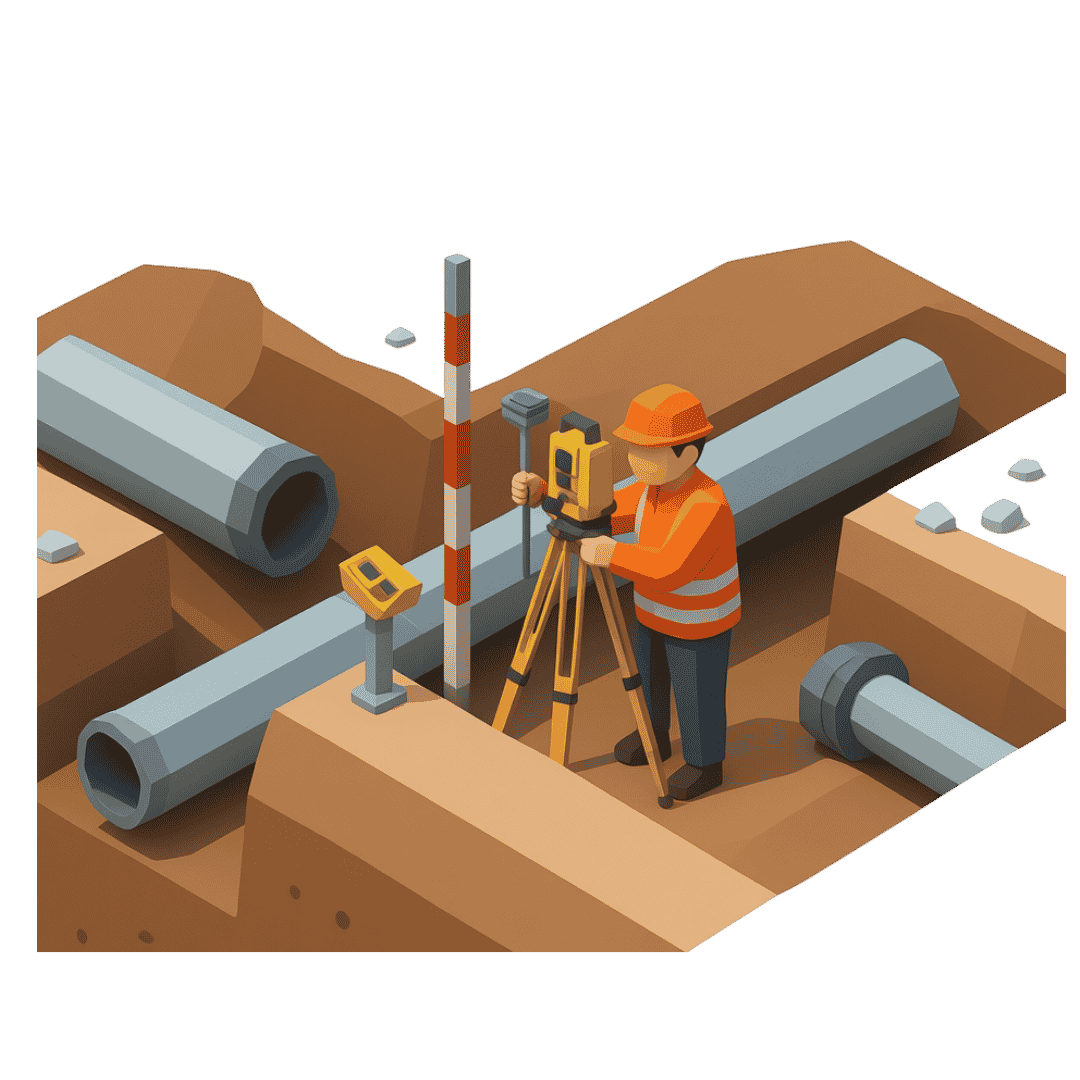
The right marketing strategy helps bridge the gap between technical expertise and market understanding.
The Geospatial Industry is Bigger Than People Realize
From GIS consulting and spatial analysis to LiDAR mapping, hydrographic surveying, utility mapping, UAV data collection, reality capture, and remote sensing… the geospatial industry supports critical decisions across infrastructure, construction, transportation, utilities, engineering, environmental projects, and government initiatives.
Geospatial Services Deserve Specialized Marketing

Not all Geospatial firms are the same.
Some specialize in GIS and spatial analysis.
Others focus on LiDAR, drone mapping, hydrographic surveys, utility mapping, reality capture, remote sensing, or infrastructure support.
Different Geospatial services attract different clients. marketing helps the right opportunities find your firm.
Marketing Services Designed for Geospatial Companies:

Website Design
A professional website helps clients understand your capabilities, services, project experience, and technical expertise. It should clearly communicate why your company is the right choice for complex geospatial projects.

Social Media
For geospatial firms, social media is often less about direct sales and more about visibility, recruiting, project showcases, industry engagement, and thought leadership.

Search Engine Optimization [SEO]
Potential clients search online for GIS services, LiDAR mapping, drone surveys, utility locating, hydrographic surveys, and geospatial consultants. SEO helps ensure your company appears when those searches happen.

Content Marketing
Technical content helps educate potential clients while demonstrating expertise. Articles, case studies, FAQs, project highlights, and thought leadership content build trust and improve search visibility over time.

Paid Ads
Google Ads and other digital advertising channels can help generate awareness and inquiries for specialized services, particularly when entering new markets or promoting high-value capabilities.

Industry Marketing Assets
Trade show materials, conference sponsorships, project one-pagers, capability statements, proposal support materials, and presentation decks often play a significant role in business development within technical industries.
Why Do Geospatial Companies Work With ECON Marketing?
Because technical expertise deserves marketing that understands technical industries.
Most marketing agencies understand marketing.
Few understand geospatial technology.
ECON Marketing focuses on industries built around mapping, measurement, infrastructure, engineering, and spatial data.
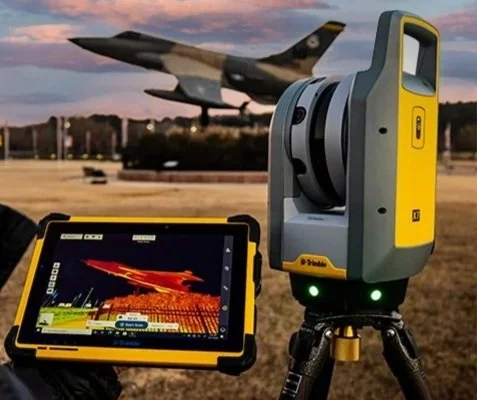
You’ll work with me Personally:
Ethan of ECON

No account managers. No layers of communication. No generic templates.
At ECON Marketing, you work directly with someone who understands both marketing and the surveying industry.
I work with each person directly - the person writing this sentence you are reading this very moment.
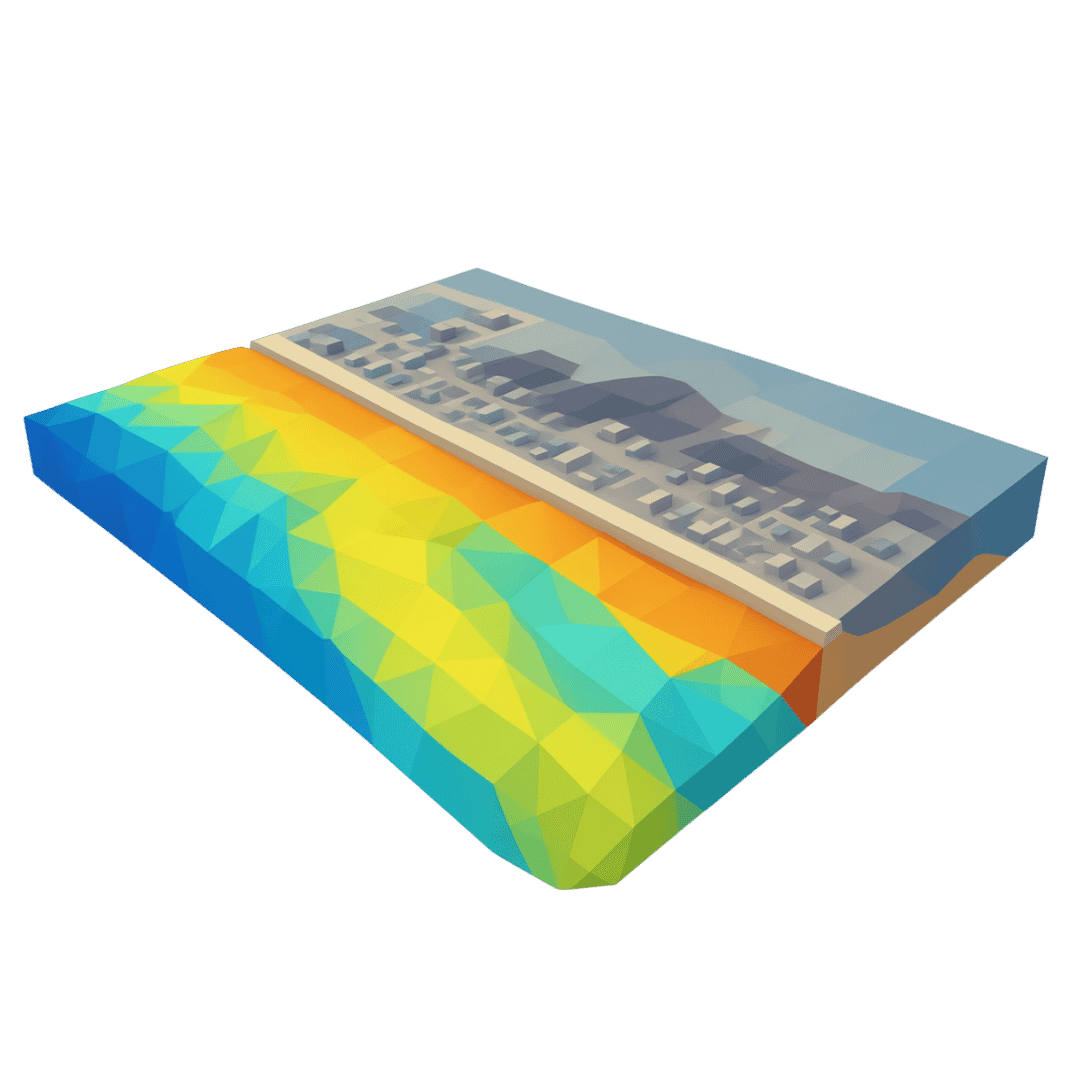
Your competitors aren’t waiting
The geospatial industry continues to evolve through advances in GIS, LiDAR, UAVs, remote sensing, reality capture, and data analytics.
The companies that communicate their expertise effectively often gain a significant advantage.
Let's make sure your company is easy to find, easy to trust, and easy to hire.
Fill out the form below to connect with me directly!
Have a Question?
Fill out the form below

Frequently Asked Questions About Marketing for Geospatial Companies
-
Yes. Many geospatial firms rely heavily on referrals, repeat clients, and industry relationships. Marketing strengthens those channels by helping potential clients understand your capabilities, verify your expertise, and trust your company before reaching out.
-
Most geospatial firms generate business through referrals, engineering partnerships, government contracts, utility providers, municipalities, infrastructure projects, and repeat customers. Marketing helps support these relationships while creating visibility with new opportunities.
-
Many decision-makers understand the problem they need solved but may not fully understand GIS, LiDAR, reality capture, remote sensing, or drone mapping. Effective marketing focuses on outcomes, benefits, and project impact rather than technical jargon alone.
-
The most effective channels often include a professional website, SEO, industry-focused content, Google Business Profile optimization, email marketing, LinkedIn, conference participation, and strategic business development efforts. The right mix depends on your services and target market.
-
Yes. Many organizations search online for geospatial solutions before selecting a provider. SEO helps your company appear when potential clients are looking for services such as GIS consulting, LiDAR mapping, utility mapping, hydrographic surveys, or UAV data collection.
-
Smaller firms often have advantages in responsiveness, specialization, local expertise, customer service, and niche capabilities. Marketing helps communicate those strengths while building trust and credibility with prospective clients.
-
Thought leadership can be extremely valuable. Sharing industry insights, project experience, technology updates, case studies, and educational content helps position your company as a trusted expert while building long-term credibility.
-
Yes. Many firms struggle to attract GIS analysts, drone pilots, field technicians, LiDAR specialists, and project managers. Consistent marketing can showcase company culture, technology investments, career opportunities, and exciting projects to attract top talent.
-
Often, yes. Dedicated content for services such as GIS, LiDAR, drone mapping, hydrographic surveying, utility mapping, remote sensing, and reality capture can improve visibility while helping potential clients understand exactly how your company can help.
-
Some tactics, such as paid advertising, can generate visibility relatively quickly. Others, including SEO, content marketing, and authority building, often require several months to gain momentum. The strongest marketing strategies combine short-term opportunities with long-term growth initiatives.
More Resources for Marketing A Geospatial Company: